

- City Hall & Service
- Learning & Togetherness
- Living & Future
- Discover & Experience

Alarming figures
Equality Officer calls for greater protection against violence for women and girls
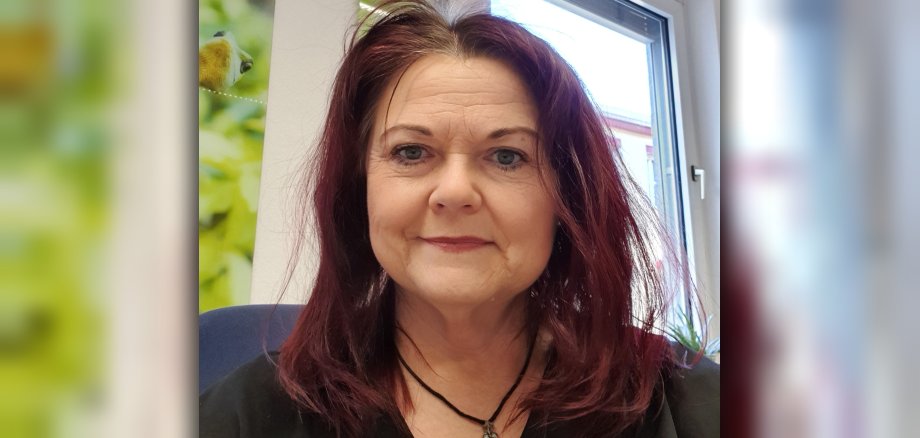
“The protection of women against violence remains in a dire state even in 2026. Whilst there are political efforts to improve protection, these measures are still far from sufficient in light of the current figures,” explains the Equal Opportunities Officer for the town of Beckum.
And this is how the situation stands: the 2025 Police Crime Statistics show 212,335 cases of violent crime nationwide. The police recorded 131,335 cases of sexual offences – 2.8 per cent more than in the previous year. There was a particularly sharp rise in the number of cases of rape, sexual assault and particularly serious sexual offences: these increased by 8.5 per cent to 14,454 cases. However, the statistics only cover offences that have come to the attention of the police.
“Women with disabilities are at a particularly high risk of violence,” says Monika Björklund, highlighting yet another issue. According to figures from the Federal Association of Women’s Counselling Centres and Women’s Emergency Helplines (bff)*, between 58 and 75 per cent of women with disabilities surveyed had experienced physical violence during adulthood. This means they are affected almost twice as often as the average woman in the general population, for whom the figure stands at around 35 per cent. Between 21 and 44 per cent of the women with disabilities surveyed reported having experienced sexual violence in adulthood – depending on the nature of their disability. The average for the general population is around 13 per cent.
The figures make it clear that women with disabilities require particular attention when it comes to protection against violence. Dependence on carers, a lack of accessibility and limited access to advice and protection can further increase the risk of violence. At the same time, police crime statistics do not break down figures for women with disabilities separately. The figures cited are therefore based on a representative study on the living conditions and pressures faced by women with disabilities in Germany.
Online event
The Monitoring Unit for the UN Convention on the Rights of Persons with Disabilities at the German Institute for Human Rights is hosting an online event via Zoom on 7 October from 10.00 am to 12.30 pm. Entitled ‘Making protection from violence a priority – finally implementing the provisions of the UN Convention on the Rights of Persons with Disabilities and the Istanbul Convention’, the event will address the tension between the German Government’s obligations under the UN Convention on the Rights of Persons with Disabilities and the Istanbul Convention.
Further information about the event, as well as the registration link, is available (including in easy-to-read language) on the City of Beckum’s website at www.beckum.de/gleichstellung.
*Note: The figures relating to women with disabilities are taken from the representative study ‘Living conditions and pressures faced by women with disabilities and impairments in Germany’, published in 2012. The bff continues to cite these findings as key evidence of the increased risk of violence.